
How Long Should You Keep A Mattress
- Elvaé
- Mar 23
- 5 min read
Updated: May 21

Most people don't think about their mattress until sleep becomes uncomfortable. Maybe you're waking up sore, noticing sagging spots, or simply not sleeping as well as you used to. At that point, it's natural to ask: How long should you keep a mattress?
The answer depends on the type of mattress, its quality, and how well it has been maintained. While many mattresses last between 7 and 10 years, some can wear out sooner, while others can provide support for much longer.
This guide explains how long different mattresses typically last, the signs that indicate it's time for a replacement, and what you can do to extend the life of your mattress.
Average Mattress Lifespan by Mattress Type
Most mattresses have a lifespan of 7-10 years, but this can vary depending on the type, quality, and usage. Here’s a quick breakdown:
Latex Mattresses
Latex is known for its durability and resilience, and how a latex mattress is made can significantly affect how long it remains supportive. Natural latex, in particular, tends to hold its shape and support longer than most foams. Many owners report 10 to 15 years of comfortable use, sometimes more, depending on construction and care.Why latex lasts:
It bounces back instead of staying compressed
It resists deep body impressions
It supports weight more evenly over time
Synthetic or blended latex usually has a shorter lifespan, but still often outperforms basic foam.
Memory Foam
High-density memory foam can last around 8–10 years, while lower-density foam may show sagging or soft spots after 5–7 years. Once foam starts breaking down, the mattress can lose support quickly.
Why memory foam lasts:
It spreads pressure across the surface
It holds up longer when the foam is denser
It stays comfortable longer with thicker comfort layers
Lower-density memory foam tends to wear out faster, especially in the middle of the bed where most people sleep.
Hybrid Mattresses
Hybrid mattresses combine coils with foam or latex layers. They typically last 7–10 years, but lifespan depends heavily on the quality of the coil unit and the comfort layers on top.
Why a hybrid mattress lasts:
It relies on coils for long-term support
It keeps its shape better when coils hold tension
It lasts longer when the comfort layer is durable (like latex)
A hybrid mattress with thin, low-quality foams on top may wear out sooner, even if the coil system is still in good shape.
Innerspring
Traditional innerspring mattresses often have the shortest lifespan, usually around 5–8 years. Over time, coils can lose tension, sag, or start making noise.
Why innerspring lasts:
It starts with strong coil support
It stays breathable and cooler
It holds up best with a sturdy coil unit and decent padding
Innersprings tend to wear out faster when coils lose tension or the top comfort padding compresses, reducing cushioning at pressure points.
How Long Should You Keep a Mattress Before Replacing It?
As a general rule, most mattresses should be replaced every 7 to 10 years. However, lifespan varies depending on the materials and construction.
Mattress Type | Average Lifespan |
Innerspring Mattress | 5–8 Years |
Memory Foam Mattress | 7–10 Years |
Hybrid Mattress | 7–10 Years |
Latex Mattress | 10–20 Years |
Age alone should not determine whether you replace your mattress. If it still feels supportive and comfortable, it may continue performing well beyond the average lifespan. On the other hand, a mattress showing signs of wear may need replacing sooner.
Signs It’s Time to Replace Your Mattress

Even if your mattress is less than 10 years old, sure signs that it may be time for a new one:
Sagging or lumps: Dips and uneven areas reduce support and comfort.
Waking up with aches: Back or neck pain can indicate your mattress isn’t supporting you properly.
Poor sleep quality: Tossing, turning, or waking up tired despite enough sleep.
Allergies or odors: Old mattresses can harbor dust mites, allergens, and moisture buildup, which can worsen allergies over time.
Noisy springs: Creaking or squeaking indicates worn-out innersprings.
Recognizing these signs early can protect sleep quality and prevent long-term discomfort.
How to Make Your Mattress Last Longer
Proper care can help extend mattress lifespan and preserve comfort.
Use a Mattress Protector
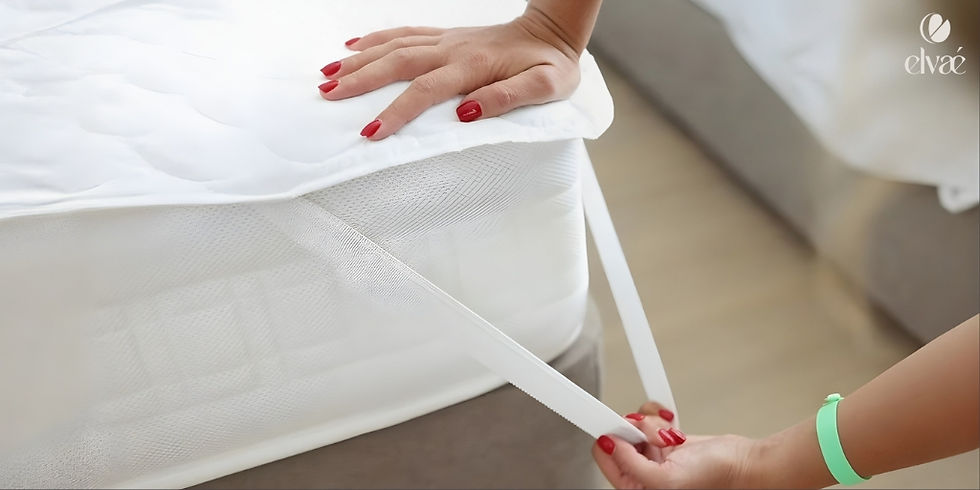
A quality mattress protector helps prevent stains, moisture, dust, and allergens from reaching the mattress. Keeping the surface clean can reduce wear and help maintain mattress performance.
Rotate Your Mattress Regularly
Rotating your mattress helps distribute wear more evenly across the surface.
General recommendations include:
Memory foam mattresses: Every 3–6 months
Hybrid mattresses: Every 3–6 months
Latex mattresses: Every 6–12 months
Following a regular rotation schedule can help reduce body impressions and prolong comfort.
Use Proper Foundation Support
Your mattress should rest on a sturdy foundation or bed frame that properly supports its weight. Insufficient support can contribute to premature sagging and structural damage.
Keep Your Mattress Clean
Vacuuming periodically and washing bedding regularly can help reduce dust, allergens, and debris. Good mattress hygiene supports both comfort and longevity.
When to Replace Your Mattress
Consider replacing your mattress if it’s over 10 years old, shows visible sagging or lumps, or causes discomfort even after a full night’s sleep. It may also be time for a new one if you notice allergies, lingering odors, or dust buildup.
Life changes, such as weight gain, injury, or aging making it wise to reevaluate your mattress. Investing in a supportive mattress ensures better rest and overall well-being.
What to Do With Your Old Mattress
Once it’s time to replace your mattress, avoid simply throwing it away. If it’s still in good condition, consider donating it to an organization that accepts gently used mattresses. Recycling is another responsible option, as many facilities break down old mattresses and repurpose materials like foam, springs, and wood into new products.
When donation or recycling isn’t possible, proper disposal is the best choice. Be sure to follow your local waste management guidelines to dispose of it properly. Taking a responsible approach can help reduce environmental impact and give your old mattress a second life.
Final Thoughts
Your mattress has a significant impact on your sleep, comfort, and overall health. Knowing how long you should keep a mattress helps you avoid unnecessary discomfort and ensures you get the rest you deserve. Remember, even if your mattress still looks good, internal wear can compromise sleep quality. By paying attention to signs and following proper care tips, you can make the most of your mattress while planning to replace it at the right time.
Upgrade Your Sleep with Elvaé
Your sleep is worth investing in. If your mattress shows signs of age or you’ve been wondering how long you should keep it, it may be time for a change. Explore Elvaé’s range of comfortable, supportive mattresses designed for long-lasting sleep.
Contact us today to find the perfect mattress and start enjoying great sleep, because it begins here.
FAQs
How do I know if my mattress is too old?
Check for sagging, lumps, discomfort, poor sleep, or allergies. If you notice any, it might be time to replace it.
Can rotating my mattress make it last longer?
Yes! Rotating 180 degrees every few months helps prevent uneven wear and prolongs the lifespan.
Does mattress type affect how long it lasts?
Absolutely. Innerspring typically lasts 7–8 years, memory foam lasts 8–10 years, and a latex mattress with high-quality materials can last 10–12 years, while hybrids usually last 8–10 years.
Is it safe to keep a mattress longer than 10 years?
While some people do, it can reduce sleep quality and lead to aches, allergies, or sagging issues.
What’s the best way to dispose of an old mattress?
Donate if clean, recycle parts if possible, or follow local disposal guidelines to prevent waste.


Comments